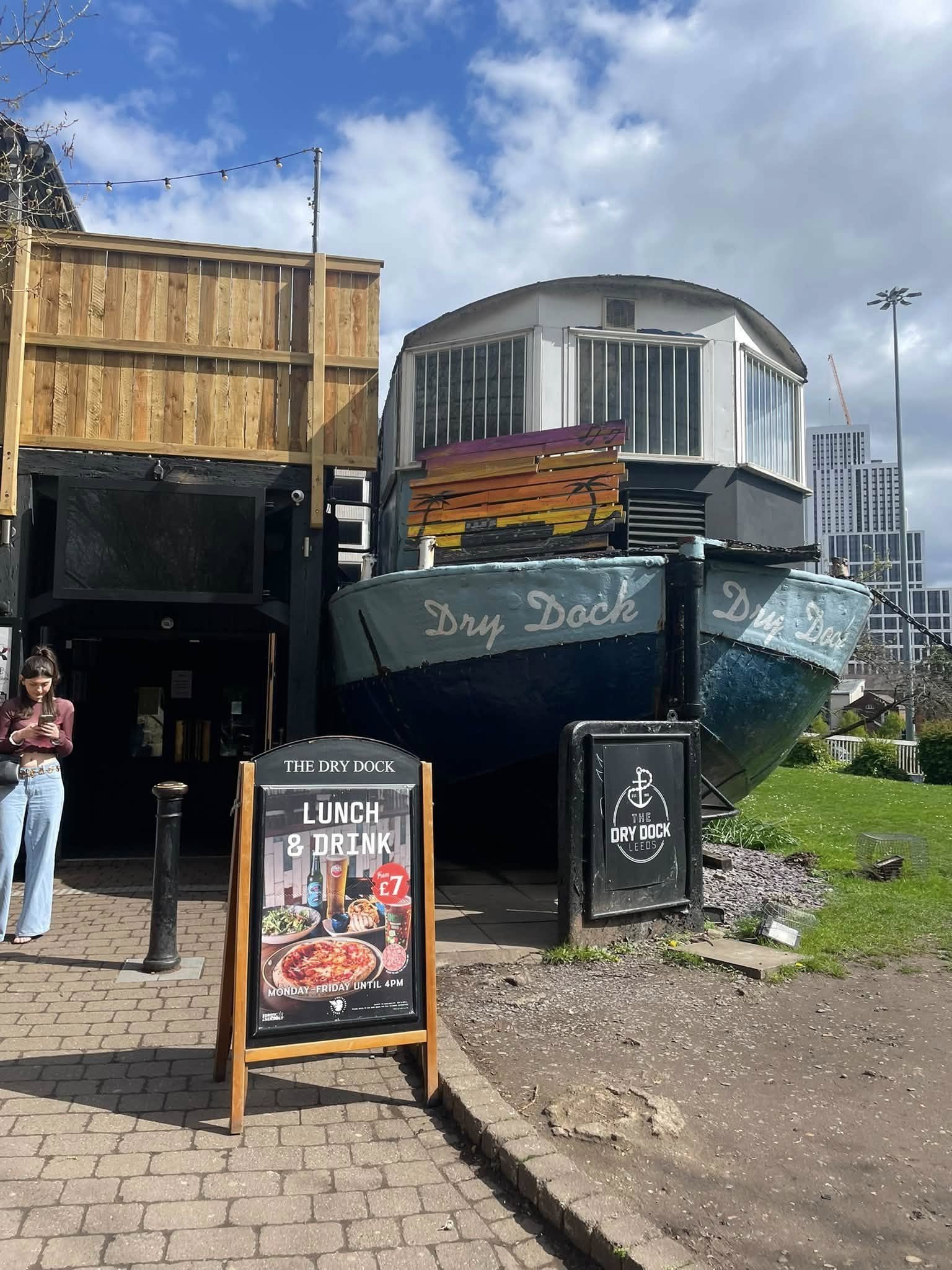
It’s 2 in the afternoon (9am back home) and I’m sitting in a pub in Leeds [that is actually a repurposed steel boat (how cool is that?)] to write this. I’m that strange mixture of deeply fulfilled and absolutely exhausted that comes from attending a multi-day academic conference. It’s hard to believe that the three days are over, and also hard to believe that it was only three days. This conference was a particularly special experience for me, being my first time attending a Disability Studies conference (since Canada currently does not have a dedicated conference), which is why I wanted to take some time and write down my reflections before travelling home and getting back into routine.
To Set the Scene
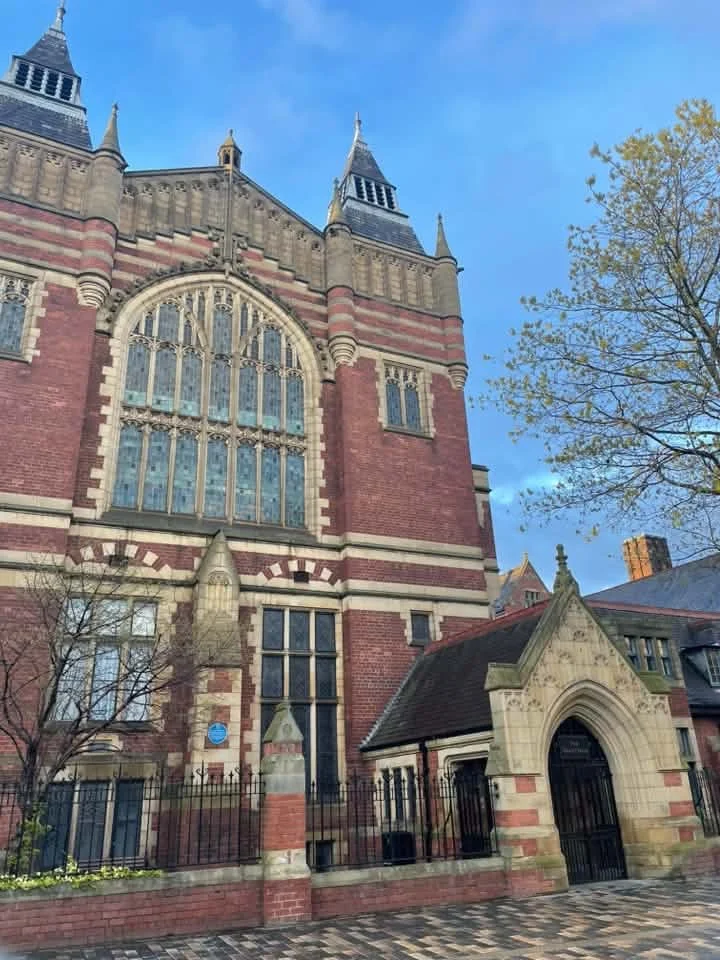
April 14-16, 2026 was the Leeds Disability Studies Conference, hosted at the University of Leeds. Over three hundred people attended in person, and there was also a virtual conference platform that people were able to access. It was three days of connecting, sharing, learning, debating, and reflecting with other people dedicated to Disability Studies.
I met not just pioneers of the field (which I absolutely did nerd out about the minute I was alone, and at times get a little starstruck. I’m human!), but students, service providers, instructors, and fellow researchers from all over the world. It was incredible. After a long day of symposiums, panels, presentations, and keynotes, many of us often spent the evenings walking around the city or sharing dinner and spending hours continuing to talk about the day’s topics, our work, and just life in general.
Gratitude and Pride
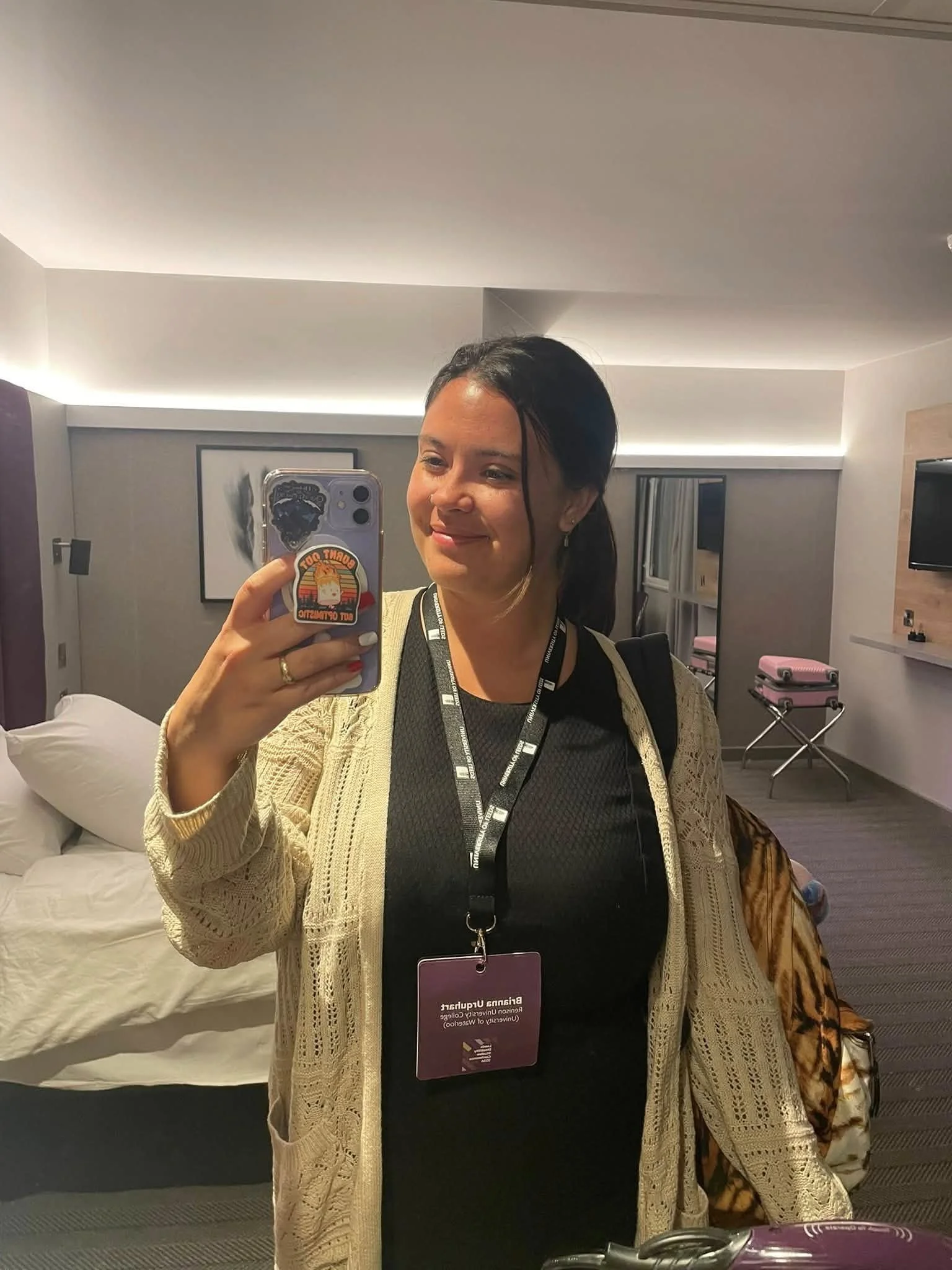
First and foremost, I feel so much gratitude for being able to attend this conference at all. I’m grateful for the conference organizers for not just putting on the event, but accepting all four of our abstracts, which meant that all three members of our research team were able to fly to England to attend live and present our research in person. I’m so grateful to be part of Dr. Gibson’s research teams. She is so supportive, encouraging, and is always connecting us to wonderful academics and inviting us into such supportive spaces.
And, of course, I’m grateful to have the most supportive clients, who were so encouraging of my taking a week off to do this. Thank you for your patience, and to everyone who shared in my excitement!
I also can’t help but also feel deeply grateful right now that so many people have trusted me with their stories. Qualitative research is deeply personal, especially when they involve sharing difficult experiences and engaging in the deep vulnerability that often accompanies stories of neurodiversity and disability or chronic illness. I did my best to honour the stories, critiques, and suggestions entrusted to us. And I have to admit, I feel proud of all of us for our presentations – jetlag and all!
Access Intimacy
It is hard to put into words how beautiful it felt to be so immersed and surrounded by disabled and neurodivergent community. To have things like closed captioning, microphones, and image descriptions automatically be the norm for every single presentation, regardless of size. To be in rooms full of wheelchairs, canes of every description and design, guide and support dogs, noise-canceling headphones, fidget devices, pins displaying needs and spoon levels, and braces. Everyone took up the space and time that they needed.
It’s also just so unbelievably refreshing about being able to state your access needs without argument, judgement, or just the usual disgruntled attitude that so often comes in able-bodied spaces. None of us had to do the extra labour of educating, because we all started from a shared premise. Disabled people know how hard ableism and inaccessibility are. Neurodivergent folks know the harms of neurotypical normativity. And so, we could just do what we needed to do, in the ways that supported each of us, and focus on what we wanted to without so much extra (and unnecessary) baggage.
I found myself coming back to the idea of access intimacy. Mia Mingus coined the term in her 2011 blog post called “Access Intimacy: The Missing Link”, describing it as “that elusive, hard to describe feeling when someone else “gets” your access needs. The kind of eerie comfort that your disabled self feels with someone on a purely access level.” By the second day of the conference, I realized this is the first time that I’ve ever experienced such sustained access intimacy. And it truly does feel glorious.
Commitment
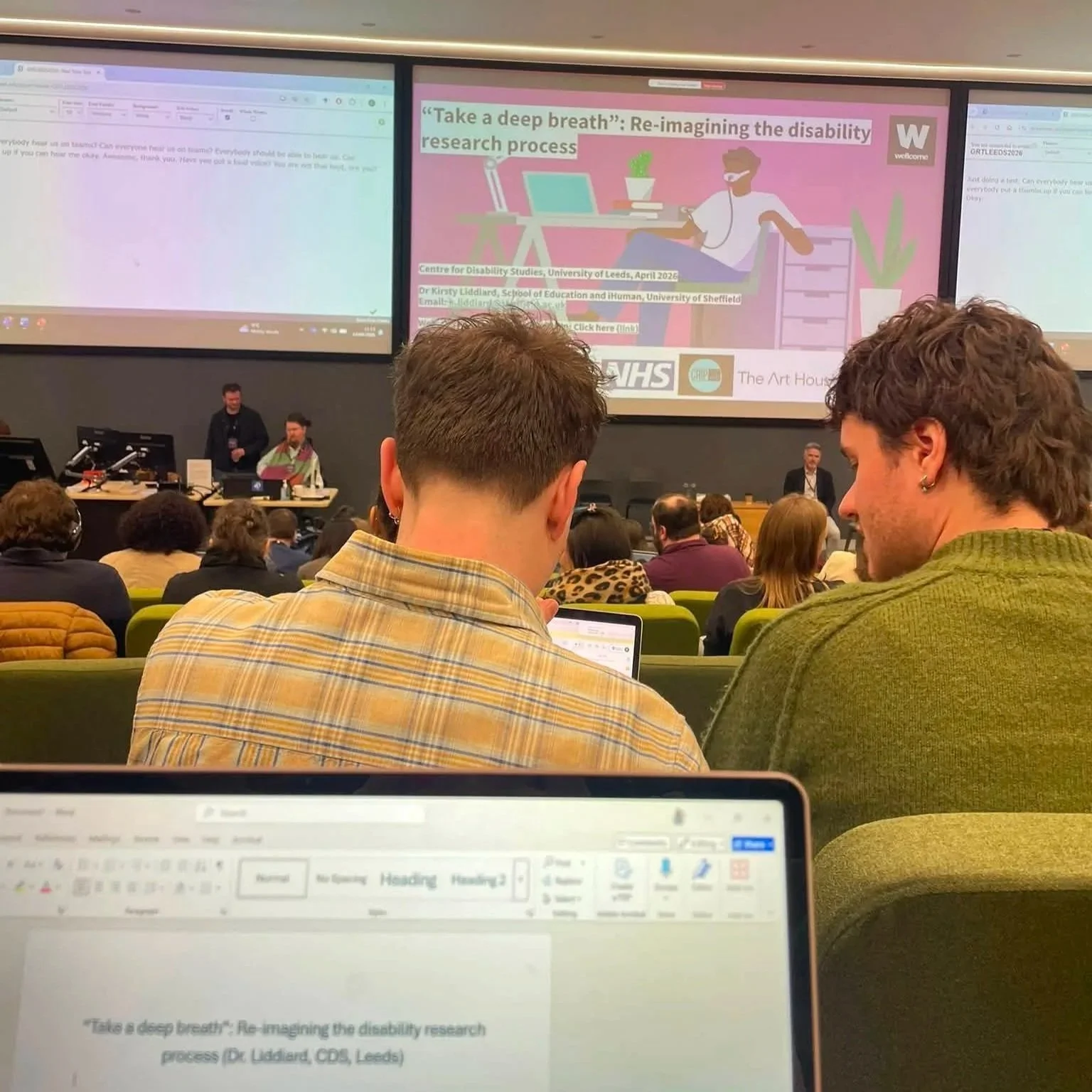
It was also a tough conference. Studying or researching disability inherently means talking about the very real, very harmful challenges and violence that disabled folks experience on a daily basis. As much as it encouraged and rejuvenated me, it was also an opportunity to share a healthy amount of rage with people who don’t minimize everything we should feel angry about. This week was an important reminder that the work we do matters. Not just the research projects I am part of, but also as a social worker and therapist. I feel more committed than ever to keep challenging the normative systems and structures, both through my individual work and through academia. Because there is definitely still so much ableism and inaccessibility at all levels, all around the world.
And with those final thoughts, it’s time to stop thinking, and get back to the work!
As always, thank you for reading (and for being here)!
Brianna
Written 04/16/26 in Leeds, England.